
Harihara Fort had always been on my bucket list, but I never knew when I would get the chance to
conquer it. Fate smiled upon me during my internship in Mumbai when my friends and I planned to
meet up with another group in Nasik. As it turned out, Harihara Fort was quite near Nasik, and we
decided to go for it. I was thrilled by this unexpected adventure.
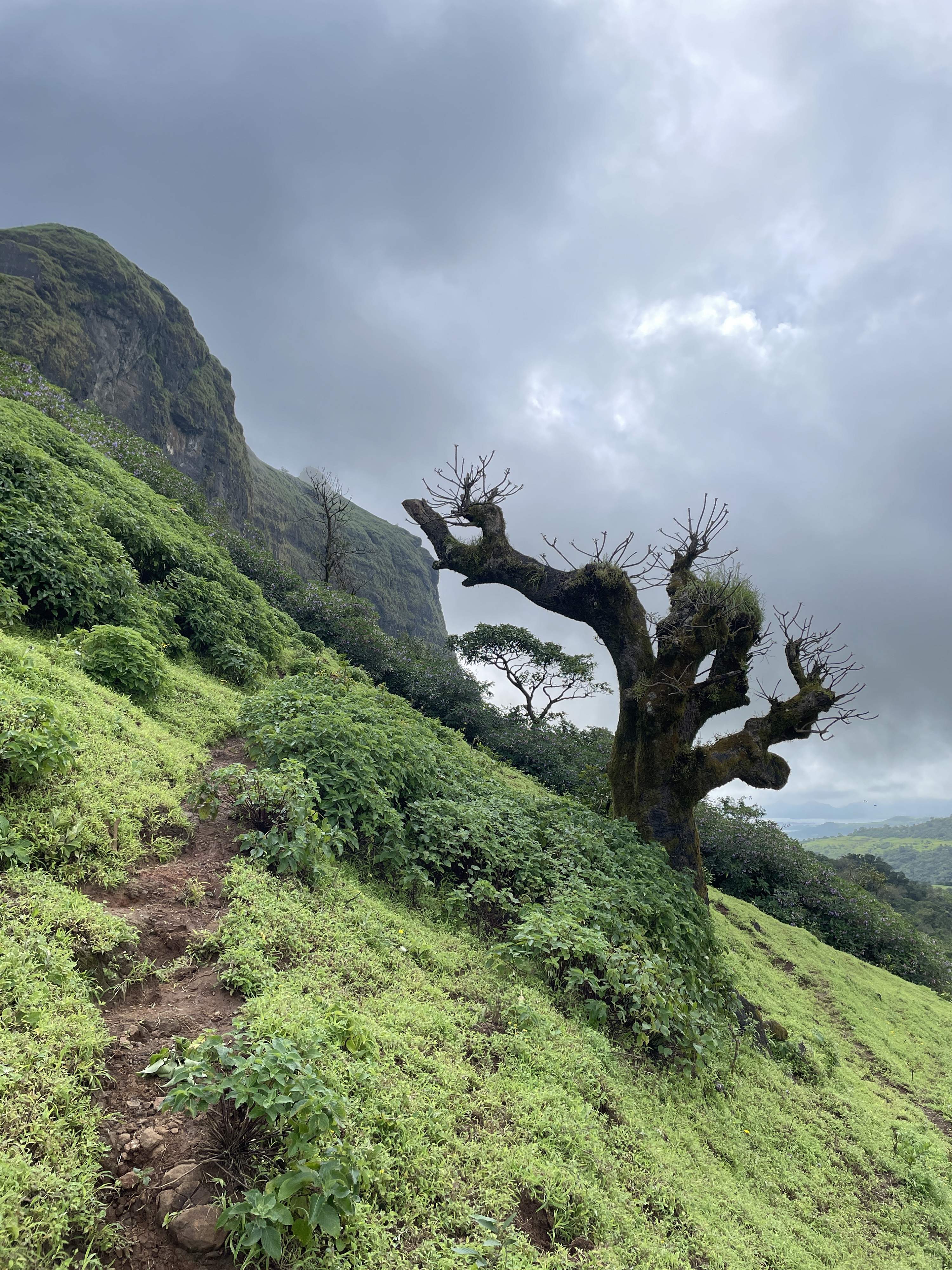
We took a train from Mumbai to Nasik, arriving early in the morning. I had the perfect outfit
for the occasion, a camouflaged trekking shirt I had recently bought. You never know when destiny
might present you with an opportunity like this. After freshening up in Nasik, we caught a bus to
Trimbakeshwar, home to one of the famous Jyotirlingas among the twelve. The Harihara Fort was just
about 5 kilometers from there.
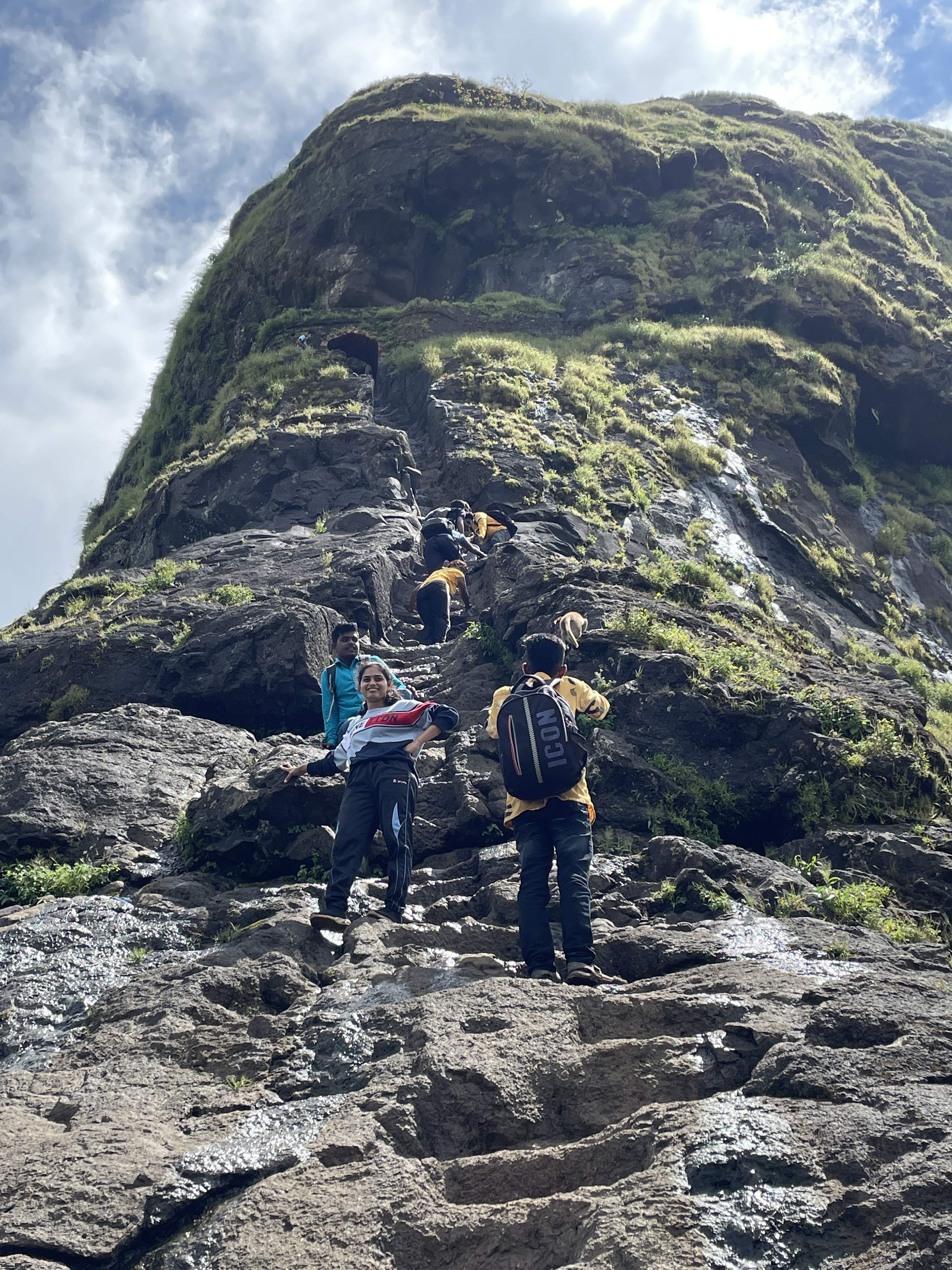
From Trimbakeshwar, we hopped into a shared auto that took us to the base of Harihara Fort. As we
approached, I couldn't help but admire the magnificent Sahyadri mountain range, especially in the
perfect post-monsoon season of September. The auto ride was a bit off-road, and it led us to the
base where the giant fort stood, resembling a ship.
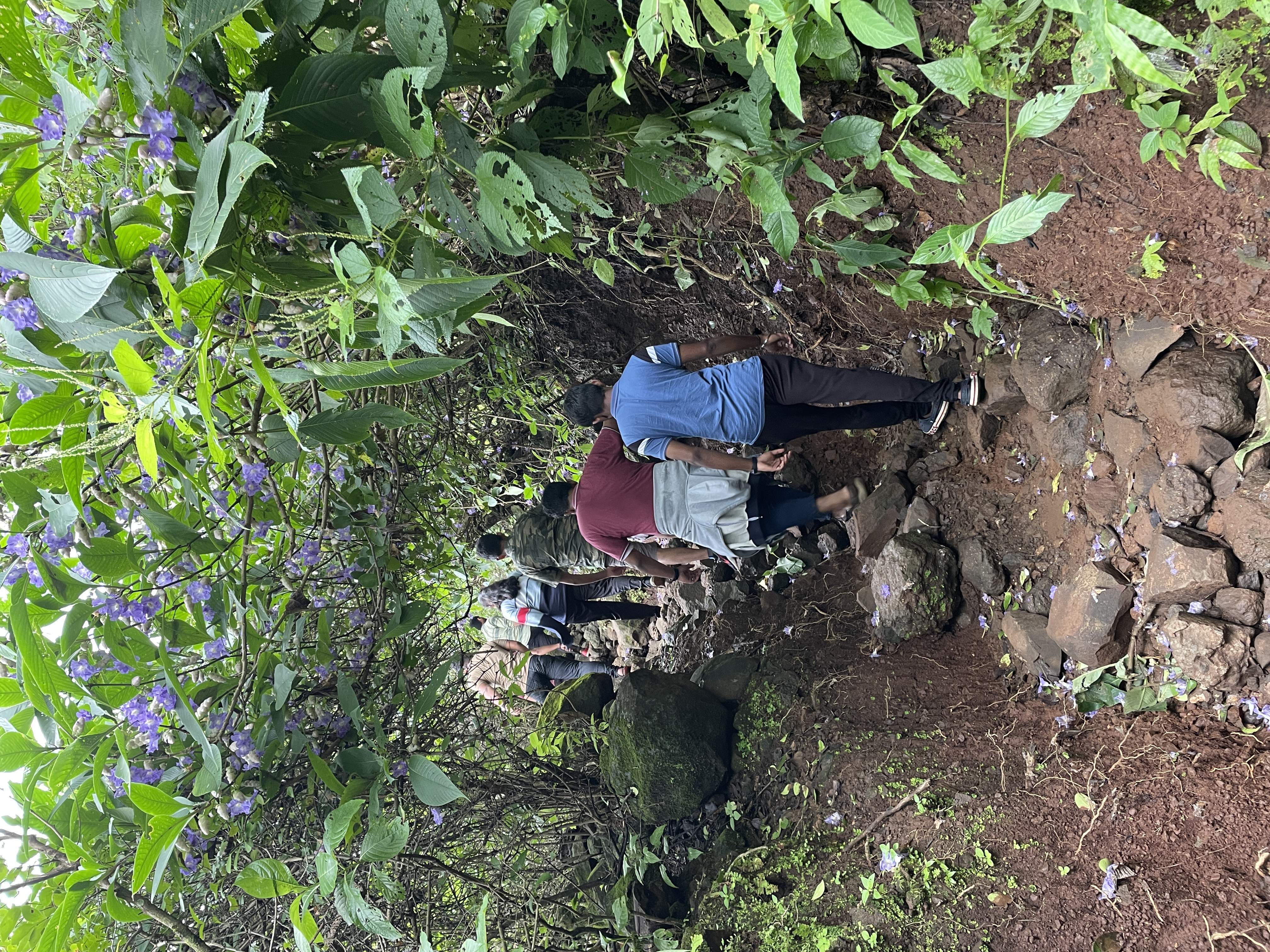
Although it was a relatively short trek, it was considered one of the most challenging in India
due to its deadly 80-degree incline. Conquering my fears, I embarked on this adventure. Along the
way, we encountered small crabs and various insects, adding a wild touch to the scene. There were
food stalls every 50 meters, and our group couldn't resist stopping for snacks and juice. We
chatted, laughed, and indulged in treats while we hiked.
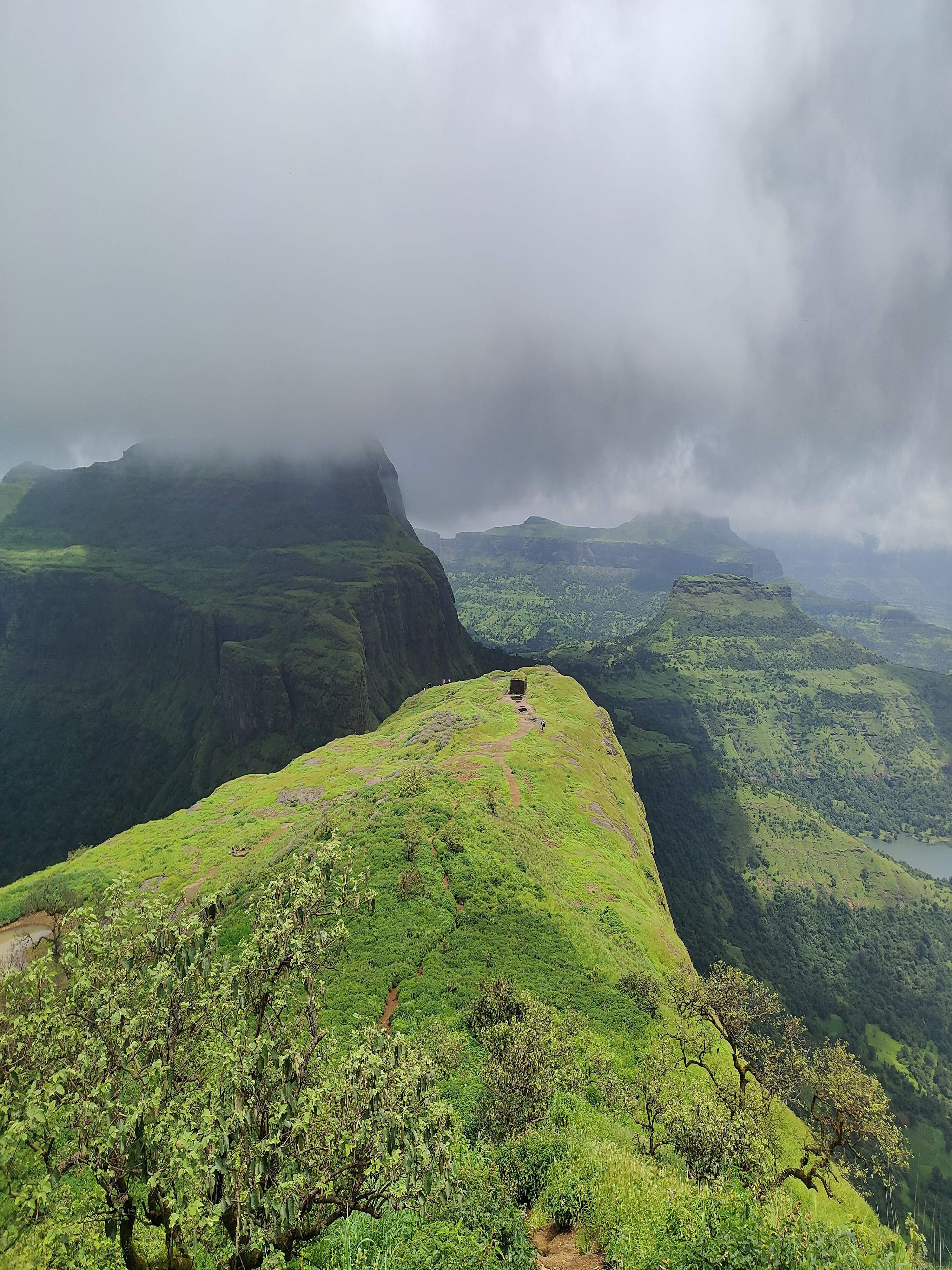
After about two hours of hiking, the most exciting and treacherous part lay ahead: a long,
80-degree incline. Once we completed this phase, we were almost at the summit. Along the way, we
encountered numerous monkeys, which proved to be both dangerous and annoying. They had a knack for
targeting our backpacks and would attack if we made any sudden movements. To outsmart them, we
covered our bags with sweaters and jackets to make them less noticeable.
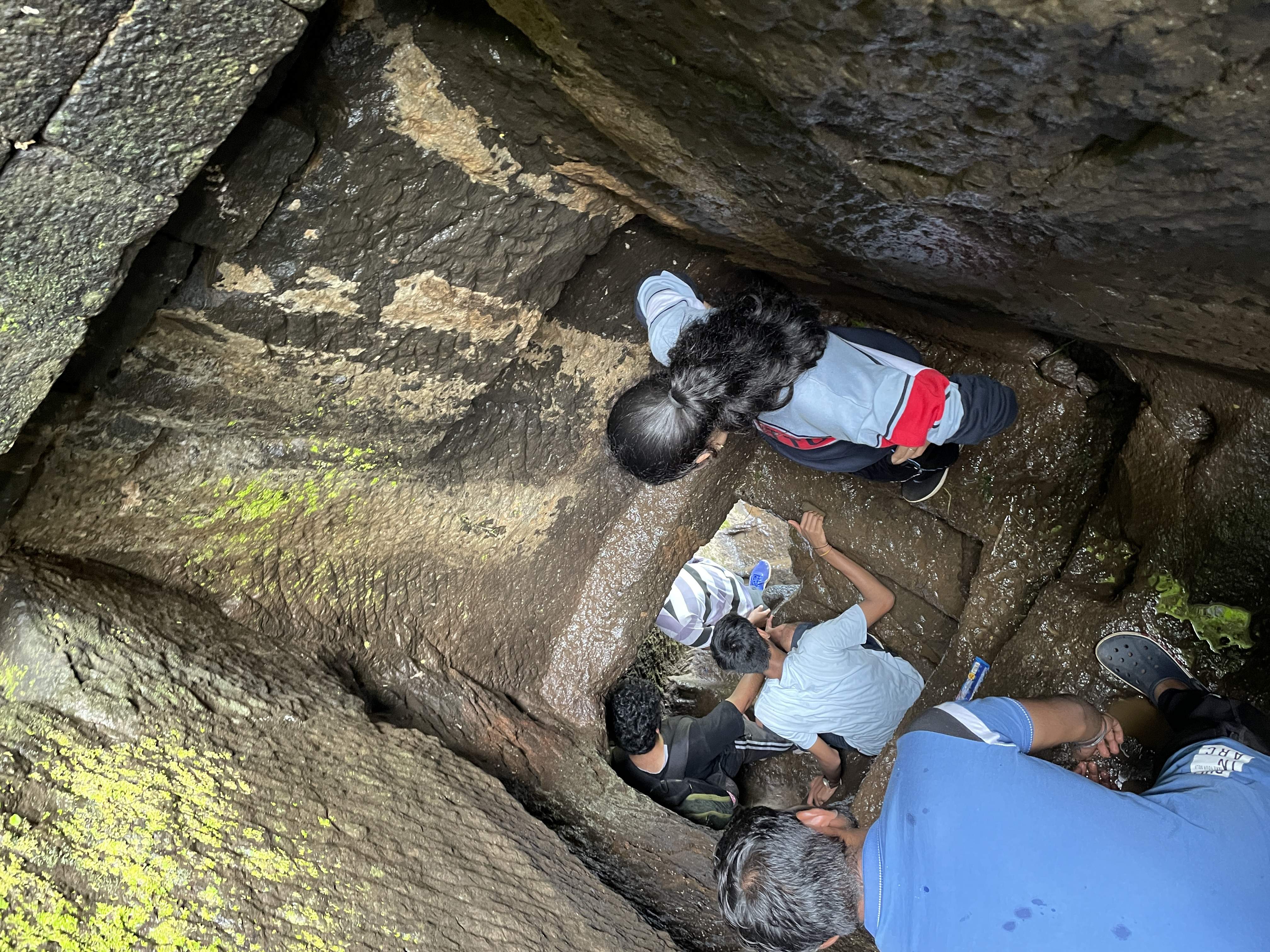
The steep ascent was challenging, with small steps carved out of rocks and square holes on the
steps to provide a grip for our hands as we climbed. It was an adrenaline-pumping experience, with
each of us climbing carefully to avoid causing a chain reaction that could lead to a fall onto the
rocky terrain.
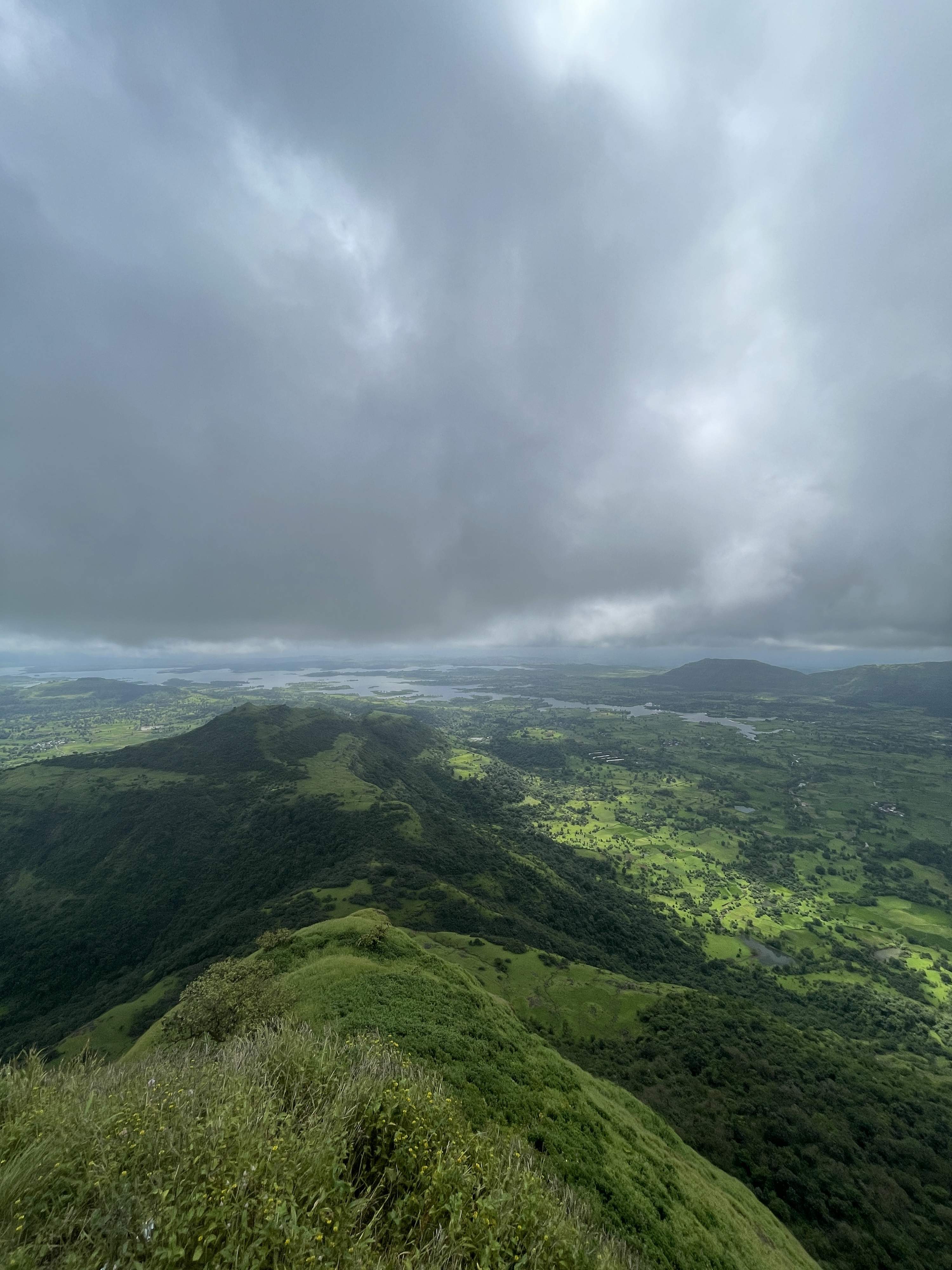
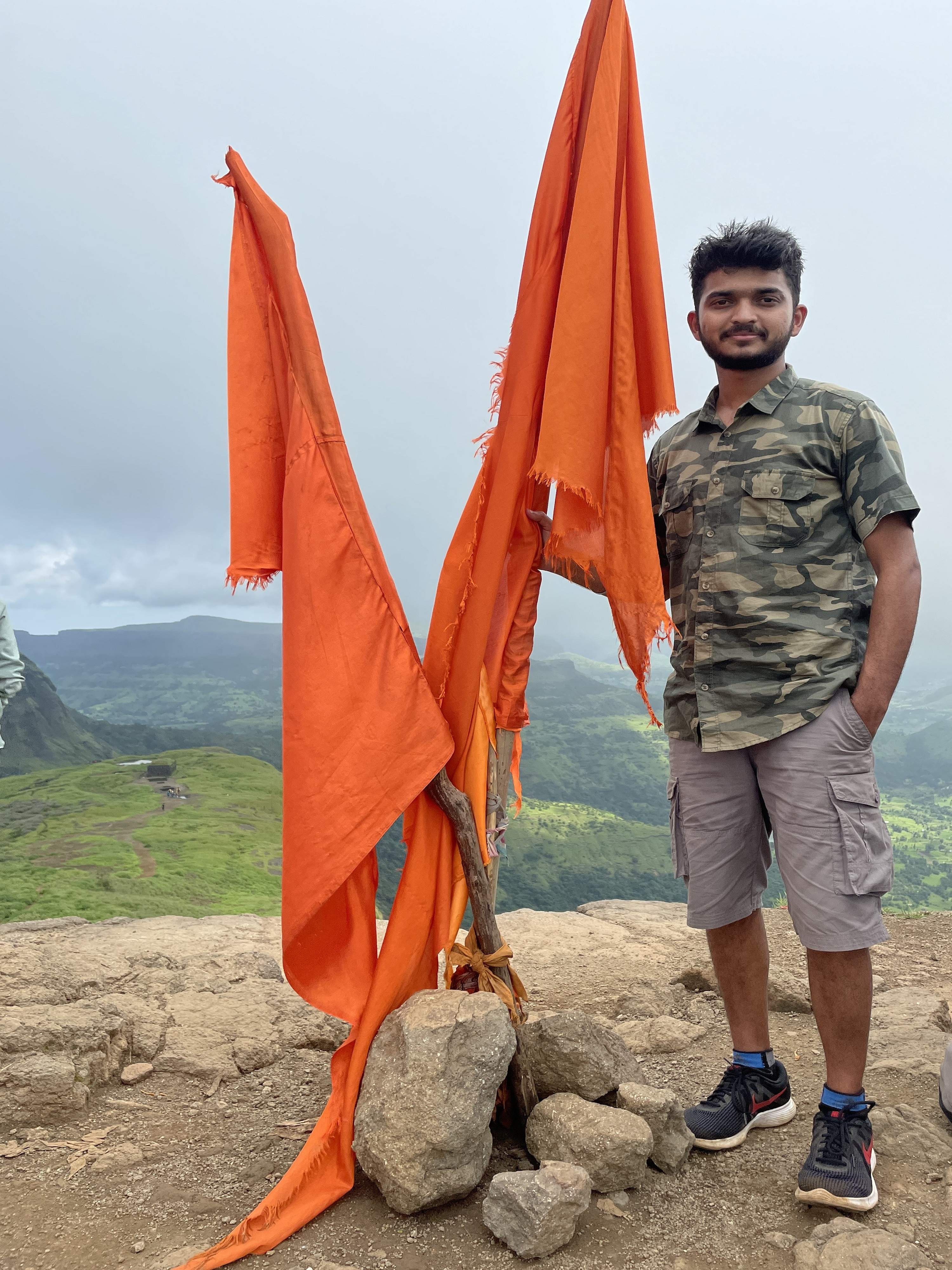
We successfully conquered this perilous phase and ascended a bit further, reaching the summit.
There, we found a pond and a small temple. The fort's history told us that it was built to offer
protection and a vantage point during enemy attacks. Shivaji Maharaja himself would hide here when
enemies couldn't find him. When adversaries approached, they would hurl rocks down, easily killing
the attackers.
From the summit, we had a breathtaking view of rice fields, lakes, small villages, and the clouds
and their shadows dancing across the landscape. The weather was ideal, with a gentle breeze of
cool air amidst the warmth of the sun.
Descending turned out to be surprisingly more dangerous than climbing. We had to carefully descend
one step at a time, facing the incline. Those with a fear of heights would have been overwhelmed
just by looking down—it was that steep. However, we completed this part without any mishaps, and I
couldn't contain my happiness at having accomplished this trek and ticking it off my bucket list.

Comments